

Use Cases

Conversion Landing System

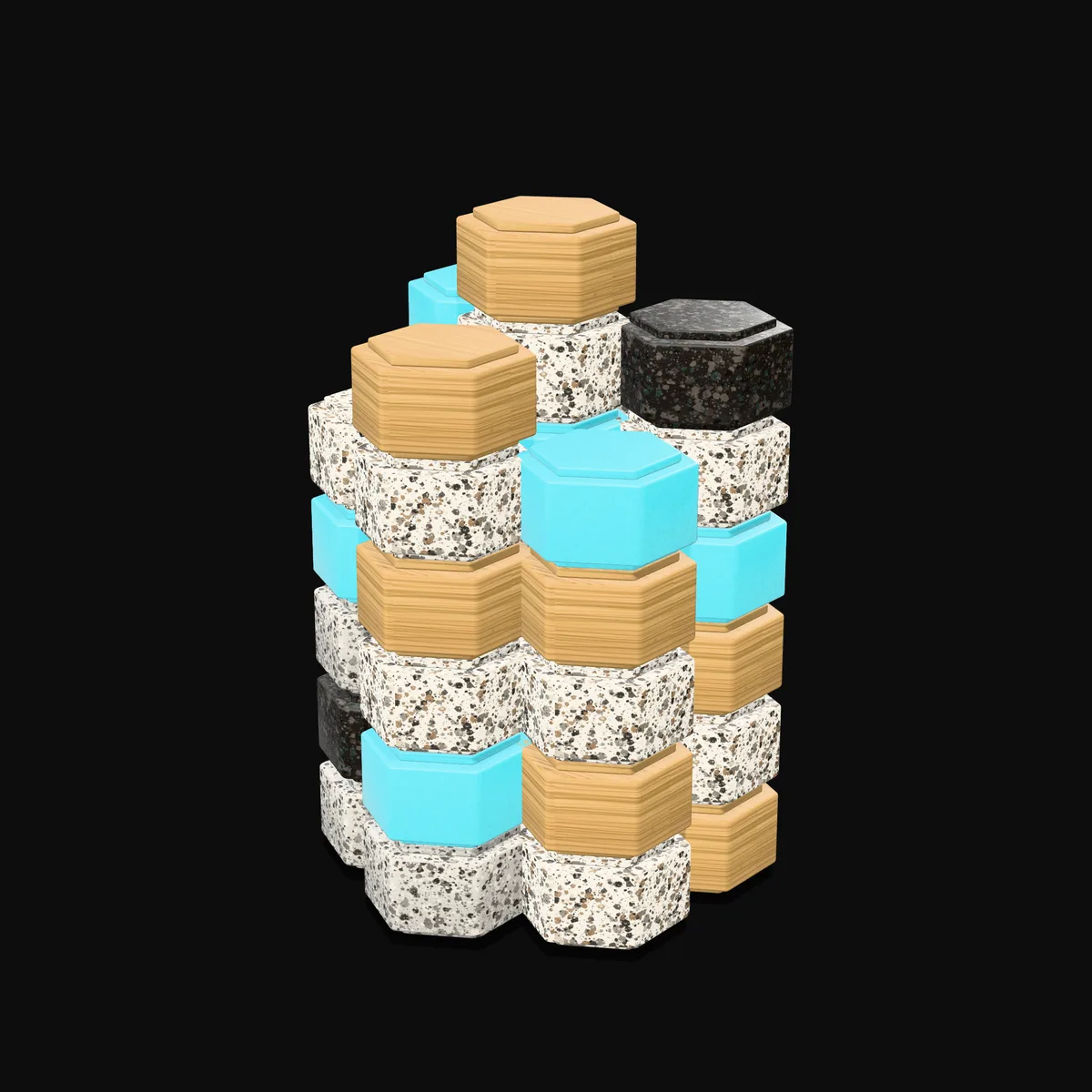
A block library that turns a new campaign page into a content task, not a development project.

Integrations

  • CRM
  • Google Workspace
  • REST API
  • Telegram

The task

Every campaign needs a page, each page is built from scratch by whoever is available, and the result is a growing collection of inconsistent one-off pages that nobody maintains and nobody can compare.

What it works from

  • The campaigns you actually run, and their cadence
  • Existing design system or brand foundations
  • Your qualification criteria for form submissions
  • Analytics and CRM destinations

The automated workflow

  1. The recurring page patterns are identified from the campaigns you actually run.
  2. A block library is built with typography, spacing and behaviour locked down.
  3. Marketing assembles a page from blocks, with content as the only variable.
  4. The page inherits performance, accessibility and SEO handling automatically.
  5. Forms capture source, campaign and page, and validate before submitting.
  6. Submissions run through qualification and land in the CRM attributed.

Where a human stays in control

  • Marketing controls copy, blocks and ordering without a developer.
  • The block library is deliberately constrained, which is what stops visual drift.
  • New block types are a considered addition, not a self-service escape hatch.
  • Pages can be published unlisted for review before going live.

Integrations

  • CRM

    Read and write deals, contacts and activities so qualified enquiries land where sales already works.

  • Google Workspace

    Sign-in, Drive, Sheets and Calendar as data sources and destinations for automated workflows.

  • REST API

    Documented, versioned and authenticated endpoints — both consuming yours and exposing ours.

  • Telegram

    Bot-based notifications, approvals and conversational entry points for teams that already live there.

Expected effect

Described qualitatively. Actual impact depends on your volumes, data quality and process discipline.

  • Campaign pages ship in hours rather than waiting for development capacity.
  • Pages stay consistent, because the system does not permit drift.
  • Results become comparable across campaigns, since instrumentation is identical.
  • Development capacity goes to product work instead of page assembly.

Limits and what this does not do

  • A block system trades flexibility for consistency and speed. A genuinely bespoke page still needs design and development.
  • It does not write your copy, and a fast page with a weak offer converts no better than a slow one.
  • It is not worth building for a team that launches two campaigns a year.

Part of the practice

Web Development

Corporate sites, product sites and conversion systems built as commercial infrastructure.

Next use case

Legacy Workflow Modernization

Replace the load-bearing spreadsheet without stopping the work that depends on it.